Banking Timelines and Their Role in Structuring Access to Cumulative Rewards Within Platforms That Blend Grid Draws with Reel Spins
Otto Griffin · Aug 21, 2026
Banking Timelines and Their Role in Structuring Access to Cumulative Rewards Within Platforms That Blend Grid Draws with Reel Spins
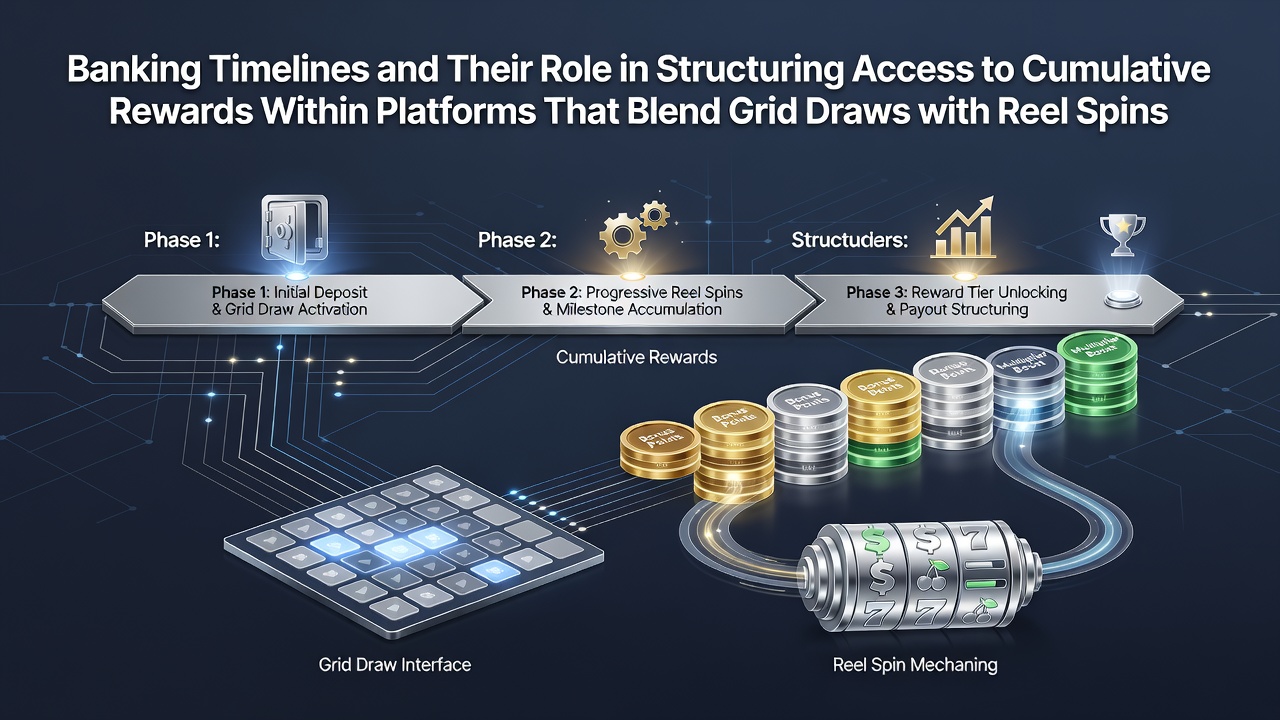
Platforms that merge grid draws from bingo traditions with reel spin mechanics create layered reward systems where banking timelines determine when cumulative incentives become available to participants, and transaction processing speeds directly shape eligibility windows for tiered bonuses across these hybrid environments. Deposits must clear before players gain access to accumulated points or bonus pools, while withdrawal speeds influence how rewards convert into usable balances on multi-device setups.
How Transaction Processing Shapes Reward Eligibility
Banking timelines refer to the duration required for deposits and withdrawals to finalize through methods such as bank transfers, e-wallets, or card networks, and these intervals set the boundaries for when cumulative rewards unlock in games that alternate between number grids and symbol reels. Research from the Alcohol and Gaming Commission of Ontario indicates that platforms using instant deposit options allow participants to enter reward tiers within minutes, whereas slower methods delay access until funds settle, creating staggered qualification periods that affect overall engagement rates in August 2026 data sets.
Observers note that cumulative rewards often stack through combined play across grid draws and reel spins, yet access hinges on verified transaction completion, so a deposit processed in under an hour versus one taking 24 hours alters the timeline for claiming layered bonuses tied to total activity volume. Those who track these patterns find that platforms synchronize reward releases with banking confirmations to maintain compliance with regional standards, and this synchronization prevents premature distribution of incentives before funds clear.
Integration of Grid Draws with Reel Spins in Reward Structures
Hybrid platforms blend grid draws, where numbered selections drive outcomes, with reel spins that rely on symbol alignments, and banking timelines intersect with these mechanics by gating entry into shared reward pools that accumulate across both formats. Participants build cumulative balances through sequential sessions, but only cleared deposits count toward progression thresholds, which means processing delays can shift a player from one reward tier to another based solely on when funds become available for continued play.
Figures from Nevada Gaming Control Board reports reveal that transaction speed variations lead to measurable differences in how often users reach higher incentive levels, since platforms require real-time balance verification before advancing cumulative progress bars that track grid and reel activity combined. And this requirement creates natural checkpoints where slower banking methods extend the time needed to activate bonuses that apply to both draw types and spin sequences.
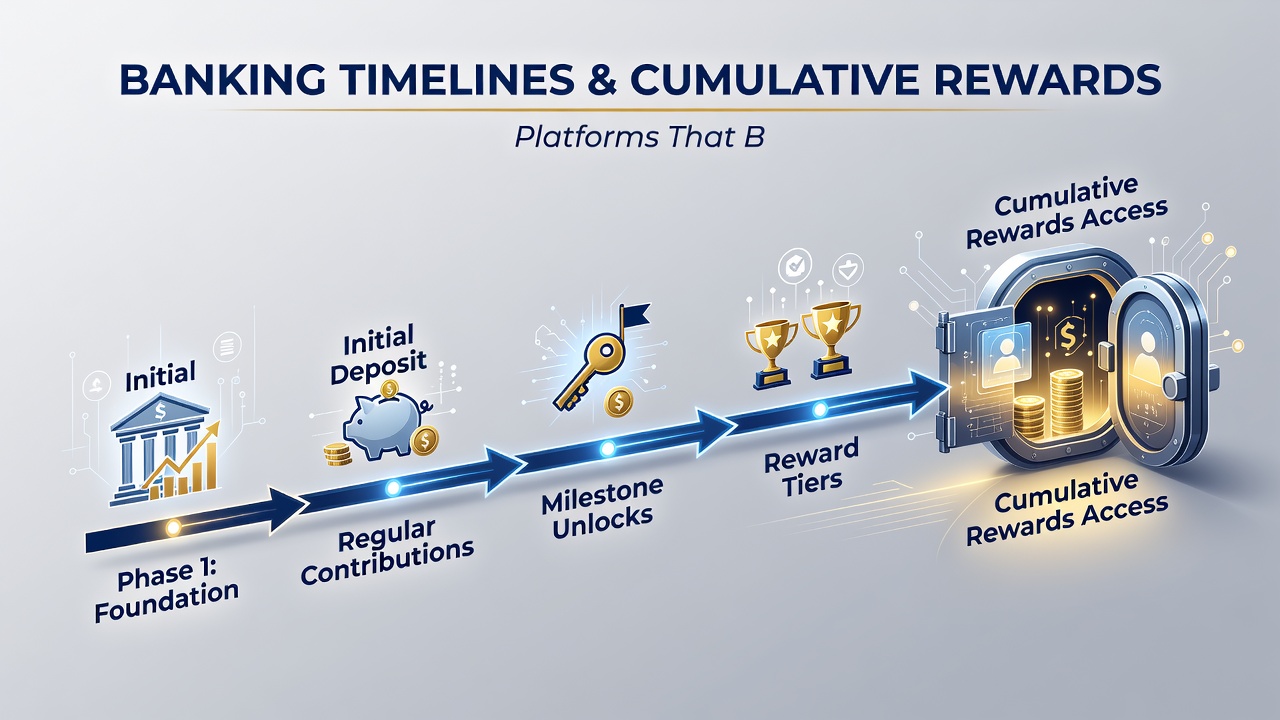
What's interesting is that reward layering often ties directly to total wagered amounts across formats, yet the moment a deposit registers determines whether those wagers contribute to the current cycle or roll into the next, and analysts at research institutions such as the University of Nevada, Reno have documented how this timing influences long-term access patterns in cross-device ecosystems.
Regional Regulatory Influences on Banking and Rewards
Regulators across regions enforce standards that connect banking timelines to reward access, and the Alcohol and Gaming Commission of Ontario along with the Nevada Gaming Control Board both emphasize verification protocols that platforms must follow before releasing cumulative incentives in hybrid formats. These rules ensure that grid draw and reel spin rewards only distribute after transaction confirmation, which prevents discrepancies in player accounts and maintains orderly progression through tiered systems.
Data collected through 2026 shows platforms adjusting their internal clocks to align reward eligibility with average processing times for popular methods, and this adjustment results in varied access windows that depend on whether users choose faster or slower banking channels. Those who've examined operator reports find that such alignments reduce disputes over delayed bonuses while preserving the integrity of cumulative tracking that spans both grid and reel components.
Practical Effects on Player Pathways
Players navigate these timelines by selecting deposit options that match their preferred reward pace, and platforms respond with clear indicators of expected clearance times that tie into bonus activation schedules for combined grid and reel play. When a deposit processes quickly, cumulative rewards become accessible sooner, allowing immediate application to ongoing sessions, whereas extended timelines push eligibility forward and alter how accumulated points convert into tangible benefits like additional spins or draw entries.
Industry analyses demonstrate that these dynamics encourage strategic choices around payment methods, since faster banking supports continuous advancement through reward layers without interruption, while slower options create deliberate pauses that some systems account for in their tier calculations. Evidence from multiple operator datasets confirms that platforms using hybrid mechanics have refined these connections to balance player retention with regulatory compliance across jurisdictions.
Conclusion
Banking timelines serve as foundational elements in hybrid grid and reel platforms by defining when cumulative rewards transition from accumulated to accessible states, and ongoing data collection through August 2026 continues to highlight how processing variations influence tier progression across diverse player bases. Platforms maintain structured access through verification steps that integrate transaction records with activity tracking, ensuring rewards tied to both draw and spin formats release only after proper clearance. This framework supports consistent operation while adapting to regional requirements that link financial timelines directly to incentive distribution.