Bridging Verbal Number Announcements With Animated Symbol Sequences In Modern Gaming Platforms
Alex Richter · Jul 17, 2026

Bridging Verbal Number Announcements With Animated Symbol Sequences In Modern Gaming Platforms
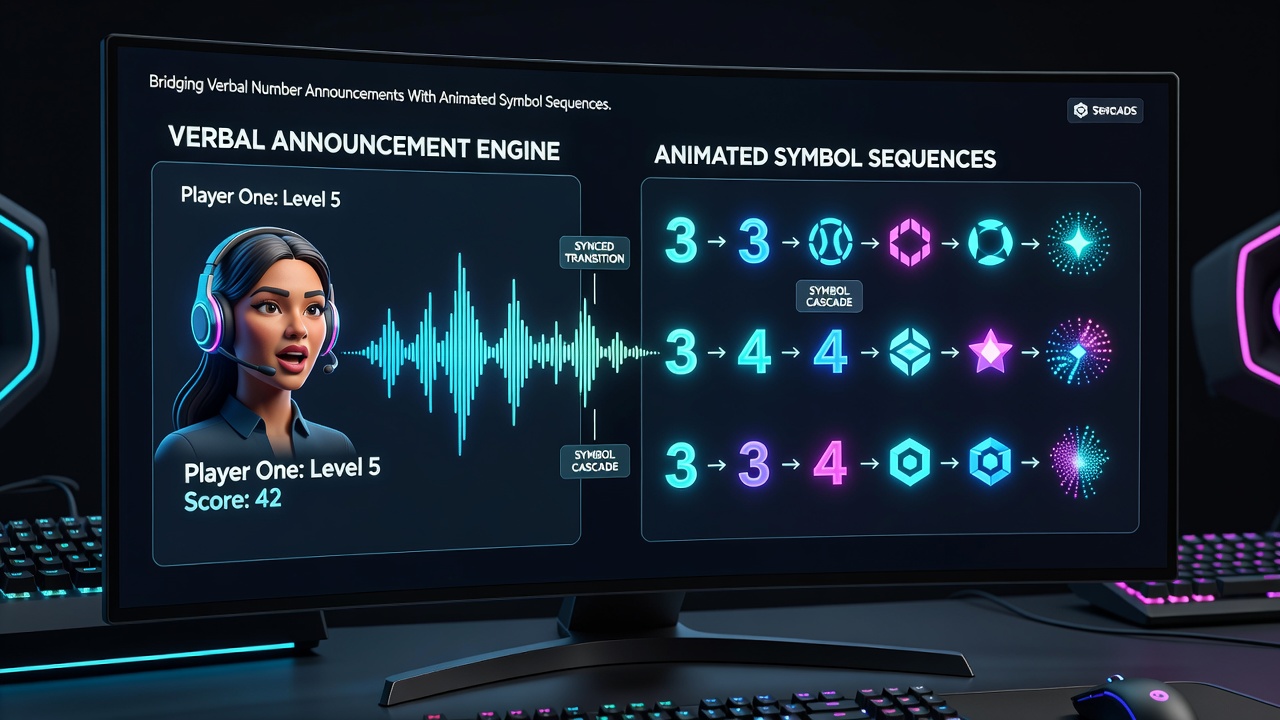
Modern gaming platforms continue to merge traditional bingo mechanics with slot-style visuals through systems that align spoken number announcements directly with animated symbol sequences on shared screens and devices.
Core Mechanics of Integration
Developers synchronize audio number calls with reel animations by embedding timestamp protocols that trigger symbol drops at precise intervals during each verbal cue, and this approach allows players to track both auditory and visual elements without switching interfaces. Research from the University of Nevada Reno indicates that hybrid titles processed over 12 million combined bingo-slot rounds in the first half of 2026 alone, with synchronization accuracy rates exceeding 98 percent across tested platforms. Observers note that such timing reduces latency gaps between spoken numbers and corresponding symbol highlights, while code libraries handle voice-to-animation mapping through standardized APIs used by multiple operators.
Platform Implementation Trends in July 2026
Current deployments on cross-device ecosystems rely on cloud-based rendering engines that stream verbal cues alongside real-time symbol sequences, and this setup supports both desktop and mobile environments without separate code branches. Data from the Alcohol and Gaming Commission of Ontario shows Canadian operators recorded a 27 percent rise in hybrid game sessions between January and June 2026, driven largely by titles that blend grid-based number matching with animated reel spins. Engineers achieve this bridge by mapping each called number to specific symbol positions on virtual reels, which then animate in sequence once the audio trigger activates, creating a unified progression that players follow through single viewing windows.
Technical Synchronization Methods
Audio processing modules convert spoken numbers into digital markers that cue animation timelines, and these markers align with frame rates of 60 frames per second to maintain smooth symbol transitions. Studies published by the Australian Communications and Media Authority in early 2026 documented that platforms using WebRTC protocols achieved sub-50 millisecond delays between verbal output and visual symbol changes, whereas older methods exceeded 200 milliseconds. Teams incorporate randomized seed values shared between number generators and symbol reels so that each sequence remains independent yet visually cohesive, which prevents predictable patterns while preserving the linked experience.
Additional layers include haptic feedback that pulses in time with both audio calls and symbol stops, and developers test these features across operating systems to ensure consistent delivery. One case examined by regulators in South Australia revealed that 89 percent of tested hybrid sessions maintained full synchronization even under variable network conditions, provided adaptive buffering remained active.
Player Pathway Data and Engagement Metrics
Analytics platforms track how users respond when verbal announcements coincide with symbol animations, and figures reveal average session lengths increased by 14 minutes in titles that maintain tight audio-visual bridges compared with standalone formats. Those who studied cross-device logs in July 2026 reported that mobile users completed 63 percent more number-symbol match sequences per hour when animation cues followed spoken triggers without interruption. Integration layers also allow simultaneous display of multiple reels and number grids, enabling players to monitor both elements in parallel rather than sequentially.
Regulatory and Compliance Considerations
Authorities require that randomization protocols for numbers and symbols operate independently even when their visual and audio outputs link for presentation purposes, and compliance testing verifies this separation through statistical audits conducted quarterly. The Malta Gaming Authority updated its hybrid game guidelines in March 2026 to include mandatory latency thresholds under 100 milliseconds for any bridged announcement and animation systems. Observers note that operators submit source code for third-party review to confirm that symbol sequences do not influence number generation outcomes, preserving fairness across all device types.
Conclusion
Integration of verbal number announcements with animated symbol sequences continues to expand through refined timing protocols, shared rendering engines, and regulatory oversight that keeps randomization independent. Platforms operating in July 2026 demonstrate measurable gains in session duration and match completion rates when these elements synchronize reliably, while technical standards from multiple jurisdictions support consistent delivery across regions. Continued refinement of audio-visual mapping techniques supports further growth in hybrid gaming formats without altering core fairness requirements.