Certification Processes Unveiling Fairness Protocols in Blended Number-Selection and Reel Systems Across Jurisdictions
Otto Griffin · Aug 23, 2026
Certification Processes Unveiling Fairness Protocols in Blended Number-Selection and Reel Systems Across Jurisdictions
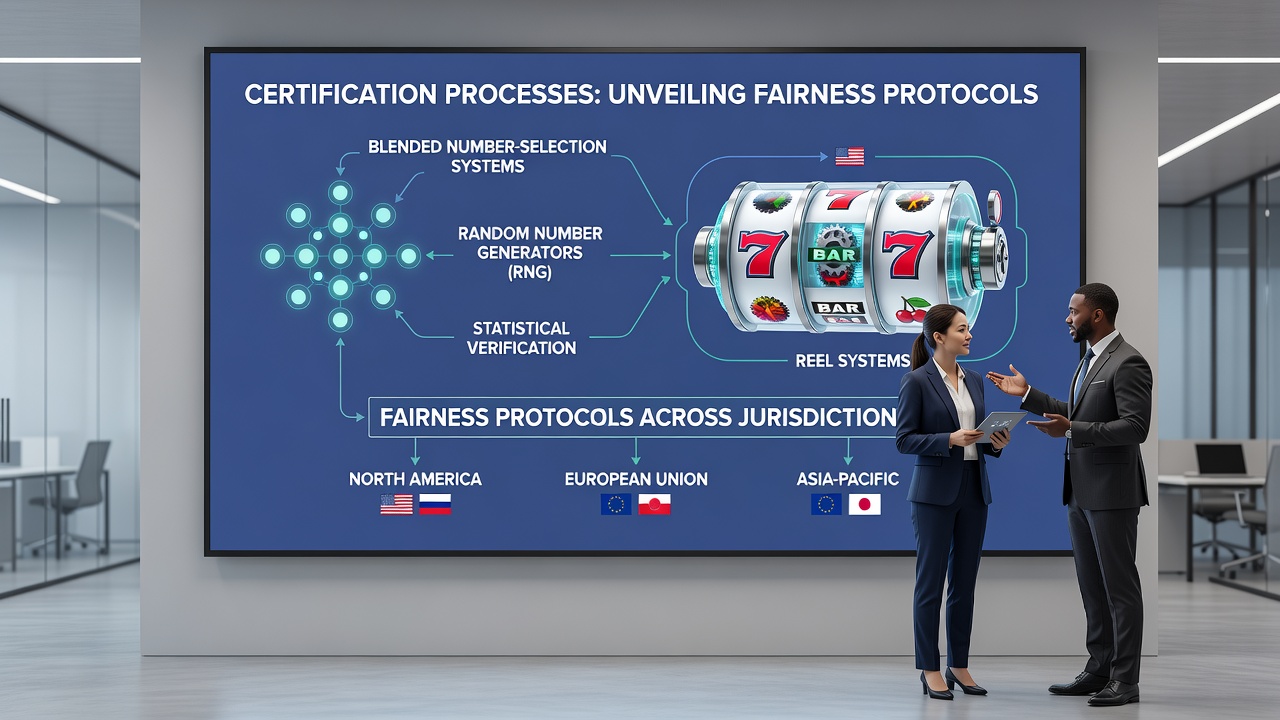
Blended gaming platforms combine number-selection mechanics from traditional bingo formats with reel-based symbol configurations, creating hybrid experiences that require specialized certification to verify fairness across multiple jurisdictions. Regulatory bodies in regions such as Nevada, New Jersey, and parts of Canada examine these systems through structured processes that test both grid-based draws and reel outcomes simultaneously. Certification labs evaluate random number generators for statistical integrity while confirming that transition sequences between number calls and reel spins maintain equal probability distributions.
Core Elements of Certification Frameworks
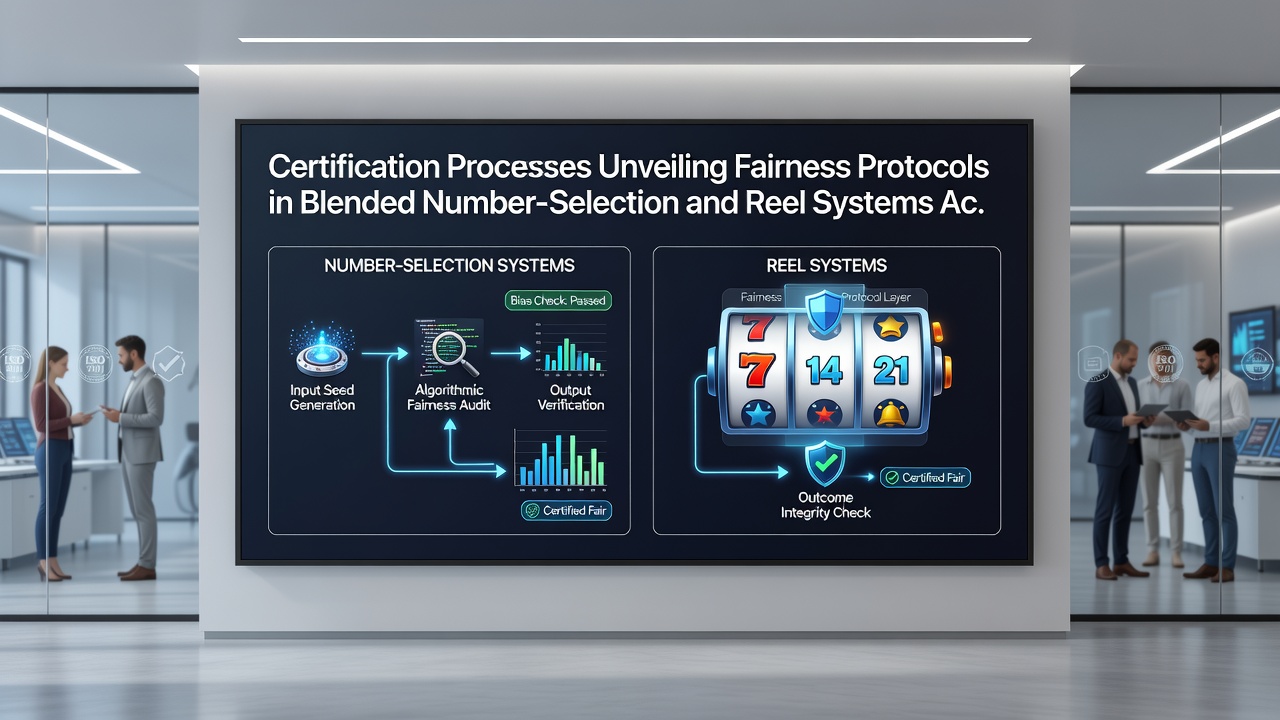
Certification begins with submission of game software to accredited testing facilities where engineers run millions of simulation cycles on combined number-selection and reel algorithms. These evaluations measure deviation rates from expected randomness using standardized statistical models, and they verify that bonus triggers tied to either grid matches or reel alignments activate according to published payout percentages. Data from August 2026 shows increased scrutiny on cross-device synchronization, as portable platforms now integrate both systems in real time without introducing bias during network handoffs.
One notable development involves updated protocols for verifying that number-selection RNGs do not influence reel symbol positioning beyond explicitly defined linkage rules. Auditors review source code for hidden correlations, then conduct live play sessions that replicate thousands of player interactions across desktop and mobile interfaces. Results feed into compliance reports submitted to state or provincial regulators for final approval.
Jurisdictional Variations in Testing Standards
Different regions apply distinct layers of oversight to blended systems. Nevada authorities emphasize hardware-based verification of reel mechanisms alongside software audits for number grids, whereas New Jersey focuses on remote monitoring capabilities that track fairness metrics during ongoing operations. Canadian provinces such as Ontario require independent third-party reviews every six months for hybrid titles, with particular attention to how progressive jackpots link across the two mechanical styles. Observers note that these variations create a patchwork where developers must adapt certification packages to meet each set of rules without altering core randomization logic.
According to information from the Nevada Gaming Control Board, recent updates in 2026 have incorporated specific modules for evaluating blended volatility profiles that combine high-variance reel features with steadier number-draw frequencies. Australian regulators through the National Broadband Network gaming oversight arm have introduced parallel requirements for data logging that capture every transition point between the two systems, allowing post-certification audits to reconstruct sessions if discrepancies arise.
Technical Protocols for Fairness Verification
Testing protocols require separate validation of the number-selection engine and the reel engine before examining their integrated behavior. Engineers confirm that each engine meets minimum entropy thresholds and that linkage functions, such as bonus rounds triggered by matching both a called number and a reel symbol, operate without introducing sequential predictability. Simulation software runs continuous stress tests under varying network conditions to ensure that packet loss or latency does not skew outcome fairness.
Researchers at institutions including the University of Nevada, Reno have published findings on detection methods for subtle biases in hybrid randomization, highlighting the need for multi-layered checksums during certification. These studies demonstrate that blended platforms passing initial audits can still exhibit drift if update patches alter only one subsystem without retesting the full integration. Regulators now mandate full re-certification after any code changes affecting either component.
Documentation and Ongoing Compliance
Approved systems receive certification seals valid for defined periods, typically twelve to eighteen months, after which fresh audits must confirm continued adherence to fairness standards. Operators maintain detailed logs of all draws adn spins that certification bodies can request during surprise inspections. This documentation supports transparency requirements that allow players and regulators alike to verify that published return-to-player figures align with actual performance across both number-selection and reel segments.
Conclusion
Certification processes for blended number-selection and reel systems continue to evolve as jurisdictions refine their approaches to hybrid fairness. Through rigorous multi-stage testing, statistical validation, and cross-regional alignment of standards, these frameworks maintain consistent outcome integrity regardless of platform or location. Ongoing developments in 2026 reflect sustained focus on integrated verification methods that address the unique challenges posed by combined mechanical styles.