Charting Algorithmic Blends of Bingo Traditions and Slot Mechanics in Cross-Device Gaming Ecosystems
Cameron Krause · Jun 26, 2026
Charting Algorithmic Blends of Bingo Traditions and Slot Mechanics in Cross-Device Gaming Ecosystems
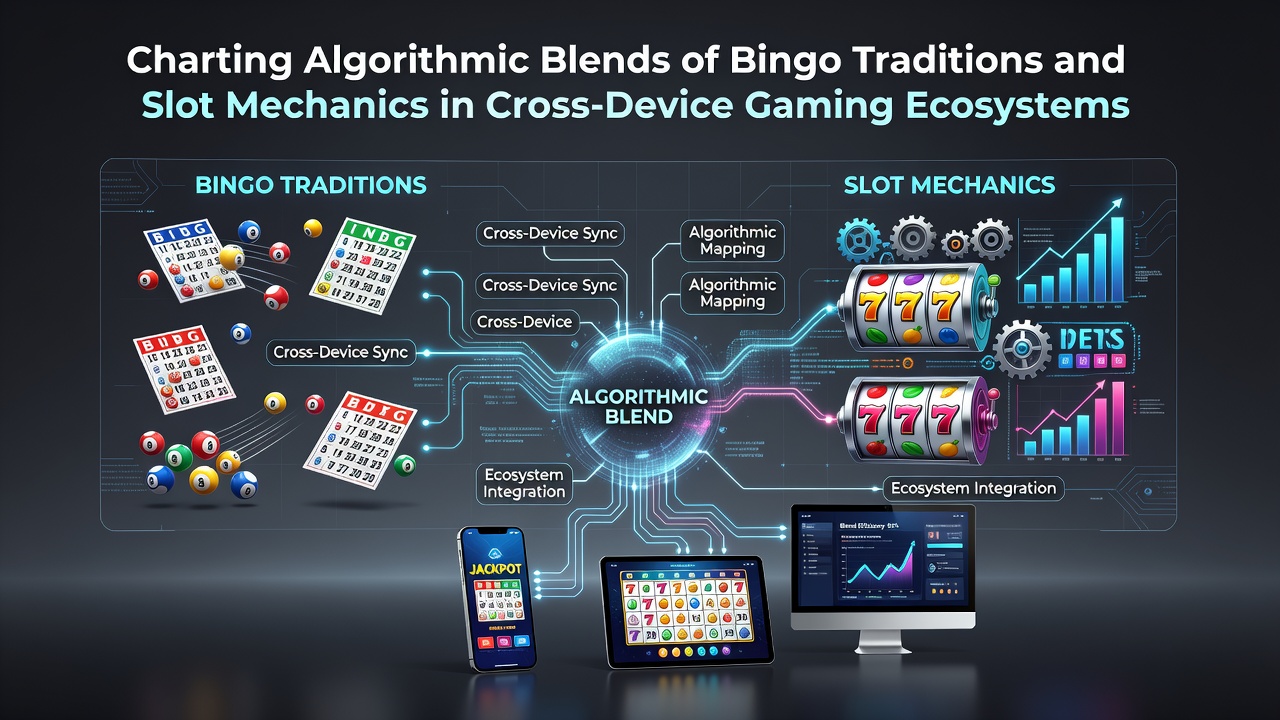
Hybrid gaming platforms combine bingo number selection systems with slot reel structures through shared random number generators that produce outcomes meeting regulatory standards in multiple jurisdictions, and this integration allows developers to maintain traditional bingo patterns like lines and full houses alongside payline configurations common in slot titles.
Core Algorithmic Structures in Hybrid Designs
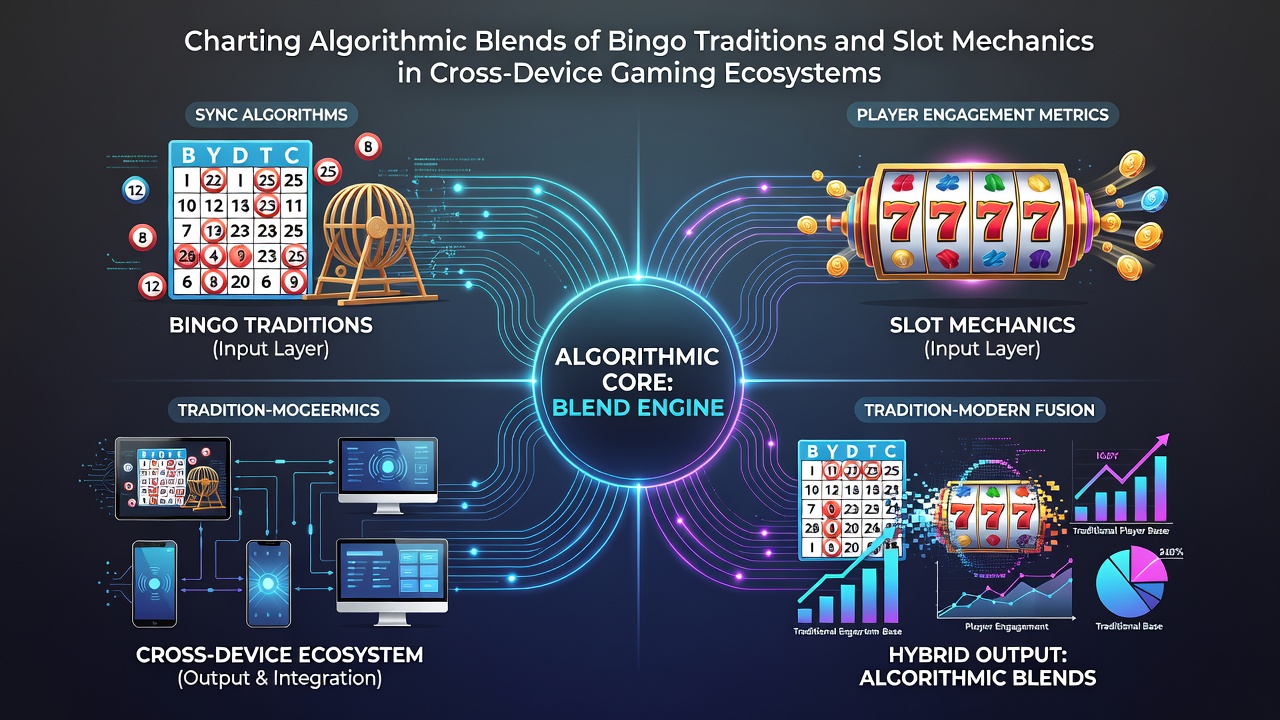
Engineers build these systems around unified RNG cores that handle both bingo ball draws and symbol alignments on virtual reels, while separate modules track pattern matches and bonus triggers. Data from industry reports indicates that such unified cores reduce processing overhead by up to thirty percent compared with separate game engines running in parallel, and this efficiency supports smoother transitions when users switch between devices mid-session.
Researchers have observed that bingo heritage elements such as called numbers and daubing mechanics translate into slot features through progressive multipliers and grid clears, whereas slot traditions like cascading symbols feed into bingo variants by revealing additional numbers after each spin sequence. These blends rely on weighted probability tables that adjust hit frequencies to preserve the feel of each original format.
Cross-Device Compatibility and Technical Implementation
HTML5 frameworks enable consistent rendering of these hybrid titles across smartphones, tablets, and desktop browsers, and developers incorporate responsive scaling for reel sizes plus touch-optimized daub buttons that function identically on different screen sizes. Cloud-based session management stores player progress and balance states so that a game started on a mobile device resumes without discrepancy on a connected desktop terminal.
Platform operators report that synchronization protocols prevent duplicate RNG calls during device switches, and this approach aligns with technical guidelines issued by the Malta Gaming Authority for multi-channel fairness verification. Observers note that latency under one hundred milliseconds remains standard in June 2026 for major operators serving North American and European markets simultaneously.
Engagement Metrics and Platform Data Trends
Figures from the American Gaming Association reveal steady growth in hybrid bingo-slot participation during the first half of 2026, with cross-device sessions accounting for over forty percent of total playtime on leading networks. Metrics track average session duration, pattern completion rates, and reel spin frequency, and these indicators help operators refine algorithmic weights without altering certified return-to-player percentages.
Studies conducted by university gaming research groups in Canada have examined how combined bingo-slot mechanics influence repeat visit patterns, and results show that integrated bonus rounds drawing from both traditions extend average play intervals by measurable margins. Operators apply these findings when calibrating notification systems that alert users to pattern completions across their preferred devices.
Regulatory Oversight and Certification Processes
Testing laboratories evaluate hybrid RNG outputs against separate benchmarks for bingo randomness and slot symbol distribution, and certification covers both land-based and online deployments in regulated markets. The Interactive Games and Entertainment Association in Australia publishes periodic summaries of compliance statistics that include hybrid product submissions, providing operators with regional benchmarks for audit preparation.
Developers submit source code and probability tables for independent review before launch, and ongoing monitoring systems flag any deviation from expected distribution curves in real time. This layered verification supports continued operation across ecosystems that span multiple regulatory frameworks.
Future Development Directions
Engineering teams continue to explore layered graphics pipelines that render three-dimensional bingo cards alongside animated slot reels without increasing load times on older mobile hardware, and these advancements build on existing cross-device synchronization standards. Industry reports project further integration of live dealer elements into algorithmic hybrids by late 2026, expanding the range of traditional bingo calls available within slot-style interfaces.
Conclusion
Algorithmic blends of bingo traditions and slot mechanics have established defined technical pathways within cross-device gaming ecosystems, supported by unified RNG systems, responsive frameworks, and multi-jurisdictional certification. Data collected through June 2026 demonstrates sustained platform investment in these formats, with measurable impacts on session continuity and compliance reporting across operators. Continued refinement of probability tables and synchronization protocols maintains the distinct characteristics of each original game type while enabling seamless play across devices.