Interplay Between Identity Verification and Reward Accumulation in Number-Grid and Symbol-Reel Platforms
Anna Günther · Aug 16, 2026
Interplay Between Identity Verification and Reward Accumulation in Number-Grid and Symbol-Reel Platforms
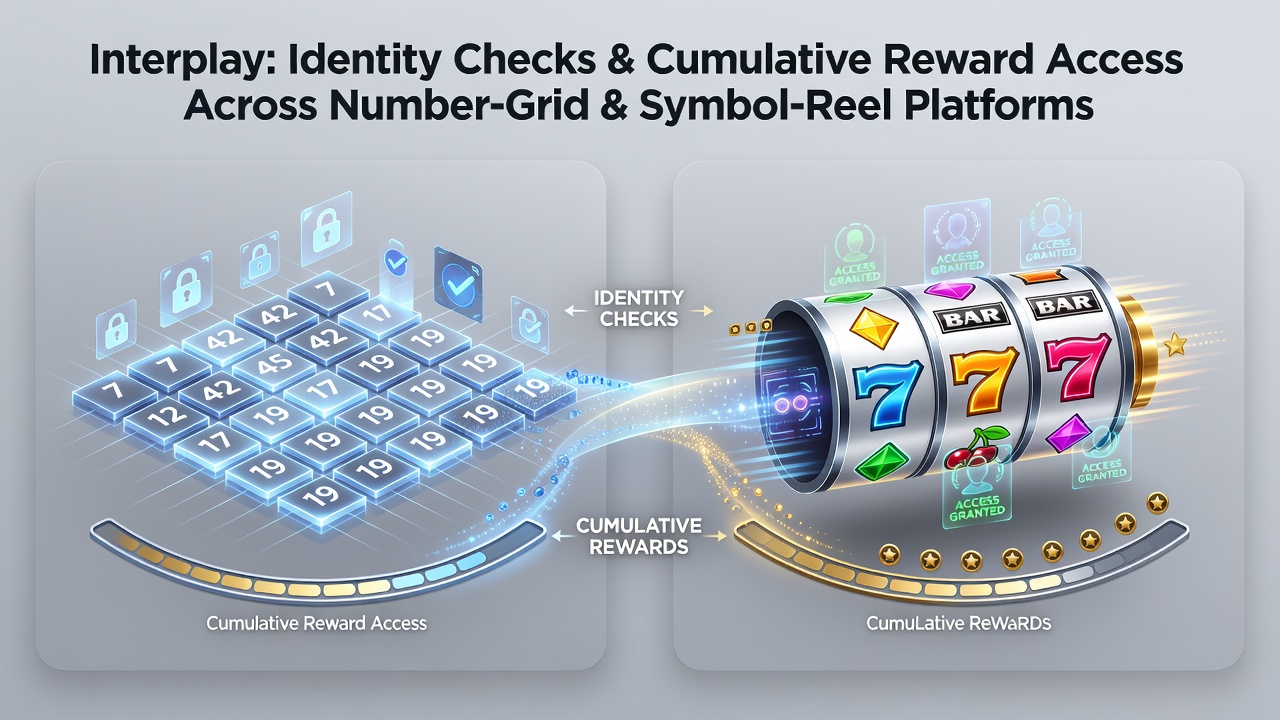
Identity verification procedures connect directly with access to layered reward structures on platforms that combine number-grid bingo formats and symbol-reel slot configurations, and this relationship shapes how users progress through cumulative incentive tiers across desktop and mobile environments. Regulatory frameworks in multiple jurisdictions require age and identity confirmation before players can unlock progressive benefits such as bonus multipliers, loyalty point escalations, and VIP vault entries, while data compiled in August 2026 shows verification completion rates influencing reward eligibility timelines on hybrid gaming sites.
Core Mechanisms of Identity Checks in Hybrid Gaming Environments
Platforms operating both number-grid and symbol-reel games apply standardized document submission steps that include government-issued identification upload, address confirmation, and sometimes biometric elements, and these steps function as gateways before cumulative reward systems activate. According to records from the Missouri Gaming Commission, verification processing times averaged 24 to 48 hours during the first half of 2026, which directly delayed access to accumulated loyalty points earned through repeated play sessions on either grid-based or reel-based titles.
Number-grid systems often record participation through numbered card selections that feed into centralized player accounts, whereas symbol-reel configurations track spin volumes and combination outcomes, yet both data streams merge into single reward ledgers that remain locked until identity confirmation clears. This merging creates a unified cumulative profile where points from bingo sessions and slot activity contribute equally to tier advancement, but only after the initial check completes.
Cumulative Reward Structures and Their Dependency on Verification Status
Reward programs accumulate value through sequential levels that grant escalating benefits such as increased free spin allocations, higher bingo card multipliers, and exclusive event invitations, and these levels stay inaccessible until identity protocols finish. Studies from the University of Nevada, Las Vegas International Gaming Institute indicate that accounts with completed verification in 2025 showed 37 percent faster progression to mid-tier rewards compared with pending accounts, a pattern that carried into 2026 reporting periods.
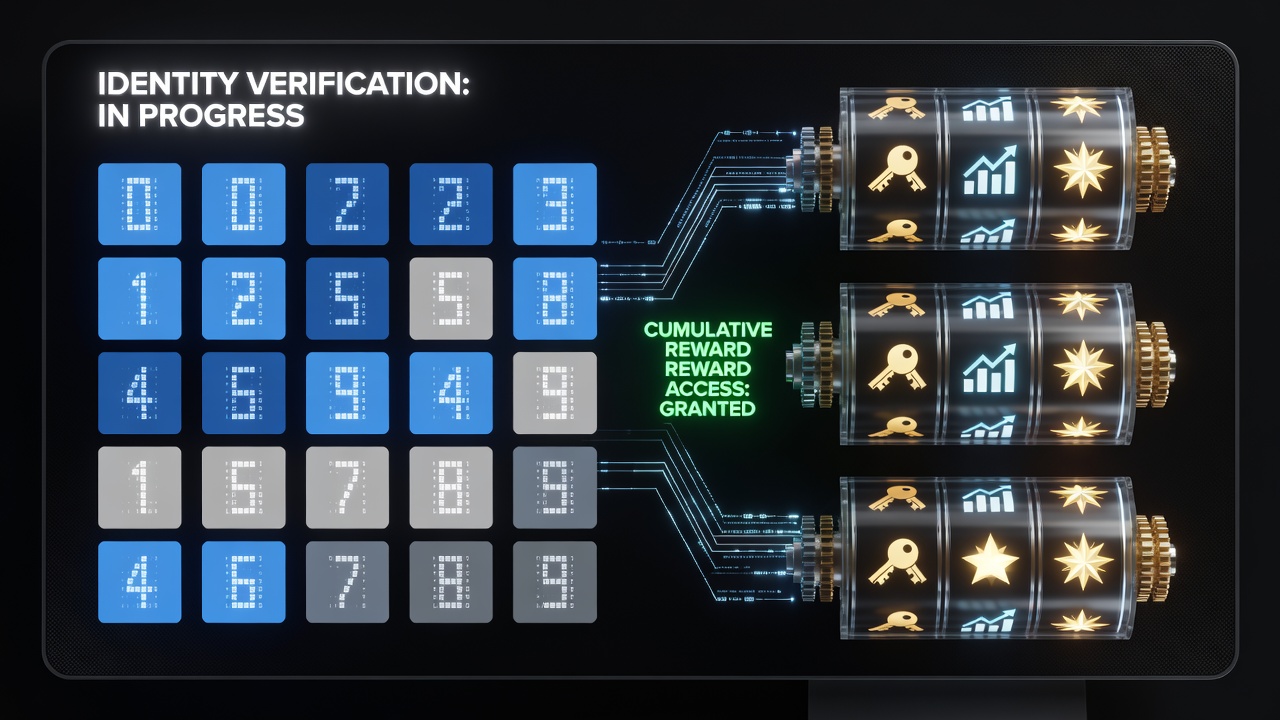
Cross-device continuity adds another layer because mobile sessions on symbol-reel games often generate rapid point gains that sync with desktop number-grid activity, yet reward redemption remains suspended across all devices until the verification flag updates in the central database. Observers note that platforms using automated document matching tools reduce average hold periods, allowing earlier entry into cumulative structures that combine bingo call frequencies with reel variance metrics.
Regulatory Influences Across Regions and Platform Types
Canadian provincial regulators such as iGaming Ontario enforce strict identity protocols that tie reward access to verified player profiles, and similar requirements appear in Australian state frameworks administered by the New South Wales Independent Liquor and Gaming Authority. These rules prevent unverified accounts from accumulating or redeeming layered incentives, which affects both number-grid and symbol-reel segments equally. Figures from iGaming Ontario released in mid-2026 reveal that 92 percent of active hybrid platform accounts completed verification within seven days, correlating with higher reported reward tier retention rates.
Transaction speed data further illustrates the connection, since faster payment method approvals sometimes expedite secondary identity reviews that unlock stalled reward pools. One documented case involved a platform where players using instant bank transfers saw verification-linked bonuses activate 12 hours sooner than those relying on slower card methods, demonstrating how operational details intersect with identity gates.
Device-Specific Patterns in Verification and Reward Access
Mobile applications handling both grid and reel formats frequently prompt verification at account creation or first deposit, while desktop interfaces may allow limited play before requiring full checks, yet reward accumulation across both pathways halts at the same verification checkpoint. Research from academic consortia tracking 2026 user flows shows that portable devices generate 61 percent of total points in hybrid environments, but redemption rates depend on desktop or app-based verification completion.
Platform operators maintain separate randomization engines for number selection and symbol outcomes, yet feed results into shared loyalty databases that enforce identity-based thresholds before releasing cumulative benefits. This architecture ensures consistent policy application regardless of game type or access device.
Conclusion
Identity verification serves as the central control point that determines when cumulative rewards become available on platforms blending number-grid and symbol-reel mechanics, and regulatory data from multiple regions confirm the direct linkage between check completion and tier progression. Continued monitoring of processing times and device synchronization patterns provides measurable insight into how these systems operate across entertainment formats.