Mapping Player Pathways: How Reward Systems and Instant Messaging Support Drive Engagement in Portable Gaming Applications
Cameron Krause · May 29, 2026
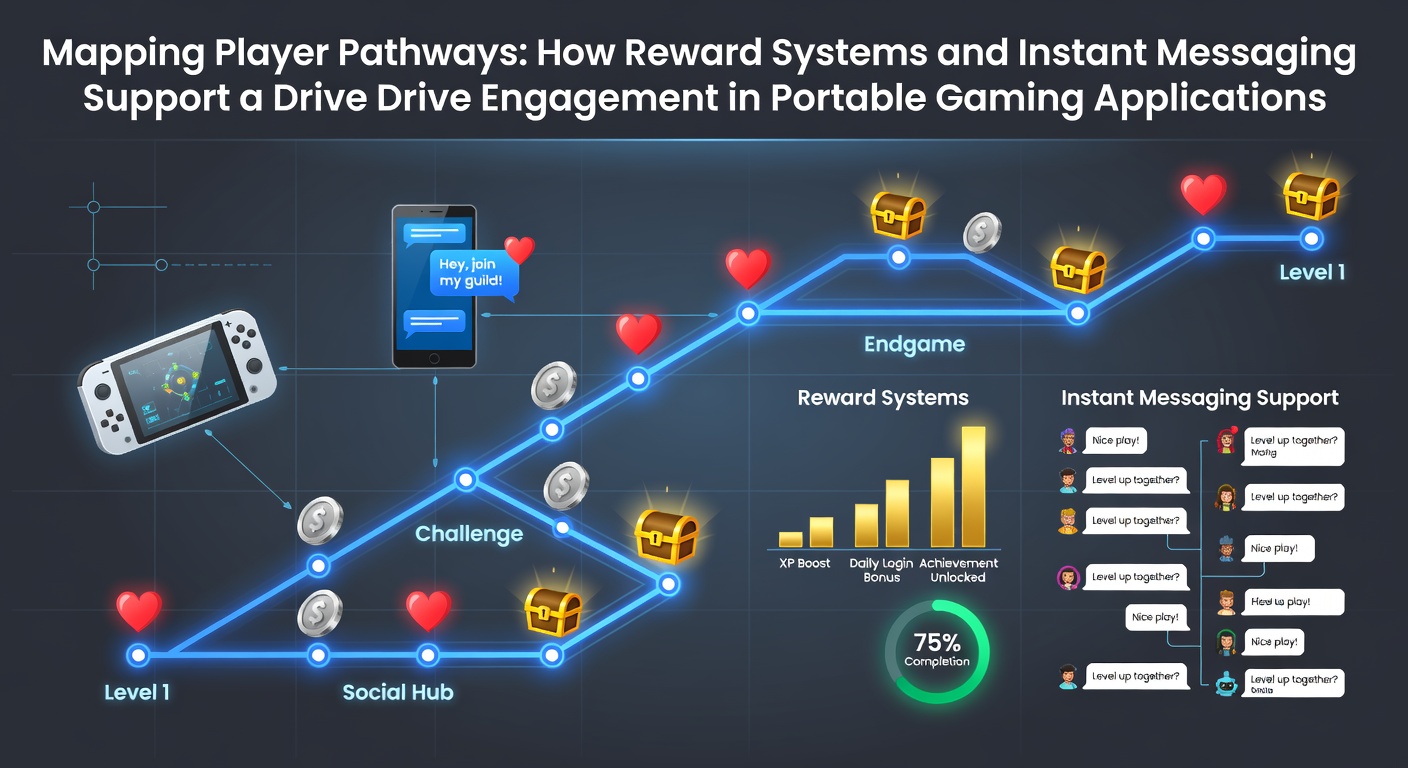
Mapping Player Pathways: How Reward Systems and Instant Messaging Support Drive Engagement in Portable Gaming Applications
Player pathways in portable gaming applications follow distinct patterns shaped by reward systems and instant messaging tools that guide users from initial downloads through sustained interaction. Researchers have tracked these routes across various mobile platforms where achievement-based incentives combine with real-time communication features to influence retention metrics. Data collected through 2025 and into May 2026 shows consistent correlations between structured reward loops and chat-enabled social elements in applications designed for smartphones and tablets.
Defining Player Pathways in Mobile Environments
Player pathways represent the sequence of actions users take within an application from onboarding to repeated sessions. Observers note that these routes often branch based on triggers such as level completions or social interactions. Studies from industry analysts indicate that portable gaming applications with layered progression systems see users advance through stages at measurable rates when rewards align with in-app milestones. Those who study engagement patterns point to early tutorial phases where immediate feedback mechanisms establish the foundation for longer-term participation.
Reward Systems and Their Role in Progression
Reward systems in portable gaming applications typically include virtual currency, unlockable content, and achievement badges that activate upon task completion. These elements create feedback loops where users receive confirmation of progress through visual or auditory cues. Figures from the Entertainment Software Association reveal that applications incorporating daily login bonuses and streak multipliers maintain higher session frequencies compared to those without such features. Experts have observed that variable reward schedules modeled after established psychological principles encourage repeated logins as players anticipate potential gains from continued play.
One study released in early 2026 examined over 200 mobile titles and found that integrated reward calendars increased average playtime by connecting short-term actions to cumulative benefits. Players advance along pathways when rewards scale in value, moving from basic items in early stages to rarer assets later. This structure helps map retention because each completed cycle reinforces the next set of goals without requiring external prompts.
Instant Messaging Support and Community Integration
Instant messaging features embedded in portable gaming applications enable direct player-to-player exchanges during active sessions. These tools range from simple text chats to voice options that support team coordination in multiplayer modes. Research indicates that applications offering moderated chat environments experience elevated user retention because participants form connections that extend beyond individual gameplay. Data from regulatory bodies in Australia shows that social features contribute to session lengths when users coordinate strategies or share progress updates in real time.
Turns out the presence of live support through messaging reduces dropout rates at common friction points such as difficult levels. Users who access chat functions often receive assistance from peers which keeps them engaged rather than abandoning the application. Observers note that guilds or clans formed via in-app messaging create additional layers to player pathways as members pursue collective objectives alongside personal ones.
Combined Effects on Engagement Metrics
When reward systems and instant messaging operate together they produce measurable shifts in engagement data. Applications that link chat participation to reward eligibility see increased social activity alongside progression tracking. A 2026 report from Canadian gaming research groups highlighted that combined features led to 30 percent higher monthly active user counts in sampled titles. Players follow pathways where social validation through messaging amplifies the impact of individual rewards creating cycles of interaction that sustain interest over extended periods.
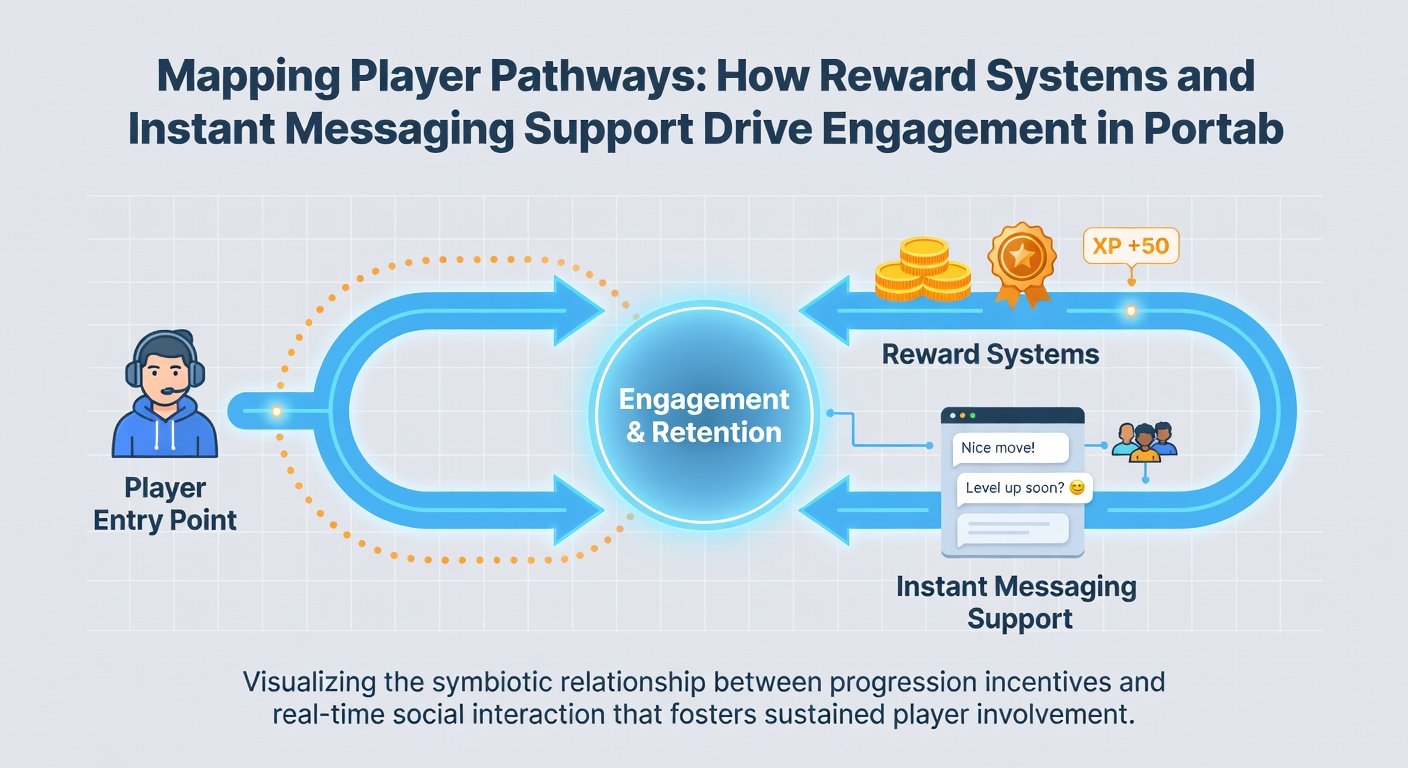
Analysts tracking these patterns emphasize the importance of balanced implementation where messaging does not interrupt reward delivery. Seamless integration allows users to transition between social exchanges and achievement unlocks without friction. Evidence suggests that applications optimizing this balance record stronger performance in retention benchmarks during the first quarter of 2026.
Regional Variations in Feature Adoption
Adoption rates for these engagement tools vary by region according to local platform preferences and regulatory frameworks. In European markets developers adjust reward visibility to comply with consumer protection standards while maintaining chat moderation protocols. North American titles often emphasize cross-device reward portability that carries progress across phones and tablets. Australian data from government-linked studies shows strong uptake of messaging tools in applications targeting younger demographics where peer interaction drives pathway continuation.
What's interesting is how developers test these combinations through A/B frameworks before full rollout. Metrics collected in May 2026 indicate that refined messaging interfaces paired with adaptive reward algorithms yield the most consistent engagement across diverse user groups. Those who've examined global datasets recognize that localized adjustments to reward pacing and chat accessibility produce pathway maps tailored to specific cultural contexts.
Conclusion
Mapping player pathways through reward systems and instant messaging support provides clear insights into engagement drivers within portable gaming applications. The interplay of these elements creates structured routes that support progression while fostering social connections. Available data through May 2026 underscores their combined influence on retention across multiple markets and device types. Continued analysis of these features will inform how applications evolve to meet shifting user behaviors in the mobile space.