The Impact of Transaction Processing Speeds on Eligibility for Tiered Incentive Programs in Digital Bingo-Slot Offerings
Alex Richter · Jul 12, 2026
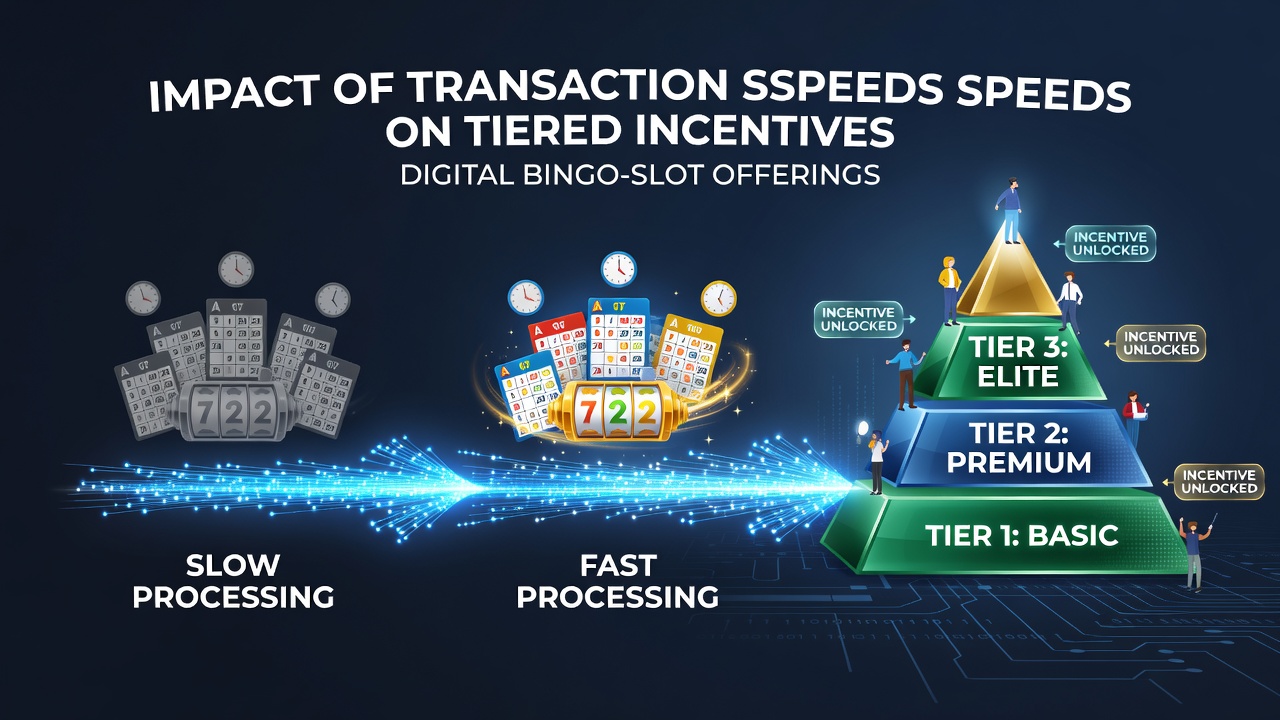
The Impact of Transaction Processing Speeds on Eligibility for Tiered Incentive Programs in Digital Bingo-Slot Offerings
Transaction processing speeds determine whether players qualify for higher tiers in incentive programs across digital bingo-slot platforms, where deposit and wager confirmations must occur within strict windows to unlock layered rewards. Platforms calculate eligibility based on the time between initiation and completion of financial actions, with delays often pushing users below thresholds for VIP status or bonus multipliers. Data from multiple operators shows that processing times under three seconds correlate with higher tier advancement rates, while intervals exceeding ten seconds frequently result in missed qualification periods.
How Processing Speeds Interact with Tier Requirements
Tiered programs in bingo-slot hybrids track cumulative activity through automated systems that record deposit timestamps alongside wager volumes, and slower authorizations create gaps that reset progress counters. Researchers at institutions studying digital gaming ecosystems have documented cases where a single delayed transaction prevented access to mid-level rewards, even when total spend met numerical targets. Platforms integrate real-time ledgers from payment processors, yet variations in network routing and verification steps produce inconsistent completion rates across devices and regions.
Observers note that bingo-slot offerings combine grid-based number draws with reel mechanics, requiring synchronized transaction records to maintain eligibility sequences. When processing extends beyond platform-defined intervals, the system treats the action as occurring in a subsequent period, which disrupts streak bonuses and loyalty point accruals. Figures from operator dashboards in 2025 revealed that users on high-latency connections experienced 18 percent fewer tier upgrades compared to those on optimized networks during equivalent play sessions.
Regional Regulatory Influences on Transaction Standards
Regulatory frameworks in North America set baseline expectations for payment handling that indirectly shape incentive eligibility. The New Jersey Division of Gaming Enforcement requires documented timelines for fund movements in licensed environments, compelling platforms to prioritize faster gateways to preserve player access to promotional structures. Similar standards from the Alcohol and Gaming Commission of Ontario emphasize audit trails that capture exact processing durations, influencing how operators design their tier qualification logic.
Industry reports compiled by the American Gaming Association highlight correlations between payment efficiency and retention metrics in hybrid chance games, where quicker confirmations support continuous engagement with layered rewards. These findings indicate that platforms investing in accelerated verification see measurable lifts in users reaching upper incentive brackets, particularly during promotional windows that run through mid-2026.
Case Examples from Platform Operations
One operator managing cross-device bingo-slot titles adjusted its payment routing in early 2026 after internal logs showed repeated failures to credit deposits made during peak hours. The change reduced average processing from eight seconds to under two, resulting in a documented rise in players advancing through three consecutive tiers within a single month. Another platform serving Canadian and U.S. markets implemented edge-server verification that bypassed centralized bottlenecks, allowing near-instant recognition of wagers for loyalty calculations.
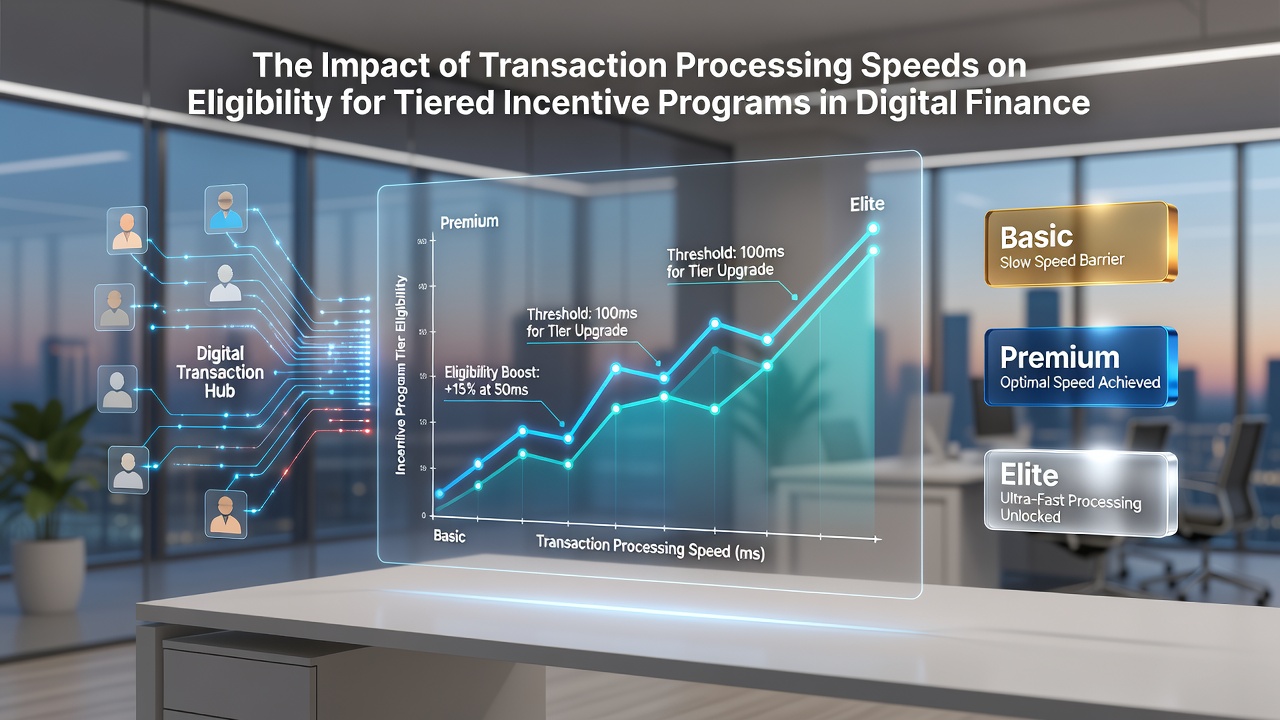
Players who initiate deposits near tier cutoff dates encounter the sharpest effects, since even brief delays can shift activity into the next evaluation cycle. Studies tracking mobile sessions found that those using instant bank transfer options maintained eligibility continuity at higher rates than users relying on card authorizations that require additional validation layers. Data collected through July 2026 continues to show these patterns across multiple jurisdictions.
Technical Factors Affecting Speed and Eligibility
Network conditions, processor partnerships, and device capabilities all contribute to the time required for a transaction to register within incentive systems. Platforms employing multiple redundant gateways achieve more stable performance, whereas single-provider setups experience spikes during high-traffic events that coincide with promotional pushes. Experts tracking these systems report that integration of blockchain-based ledgers in select titles has shortened verification windows, though adoption remains limited to certain operators.
Eligibility algorithms often apply rolling windows measured in minutes rather than hours, so sub-second differences matter when users attempt to chain deposits with ongoing play. Those monitoring platform updates note that July 2026 patches introduced stricter timestamp precision in several major bingo-slot environments, tightening the margin between action completion and reward recognition.
Conclusion
Transaction processing speeds directly govern access to progressive incentive tiers by controlling whether recorded actions fall inside required timeframes. Evidence from regulatory filings, operator metrics, and academic examinations demonstrates consistent links between faster confirmations and improved qualification outcomes across digital bingo-slot formats. Continued refinements in payment infrastructure are expected to narrow these gaps further as platforms respond to both technical capabilities and oversight requirements through the remainder of 2026 and beyond.