Tracing Interlinked Randomization Protocols Between Number Grid Systems and Symbol Reel Configurations Across Multi-Device Platforms
Otto Griffin · Jun 28, 2026
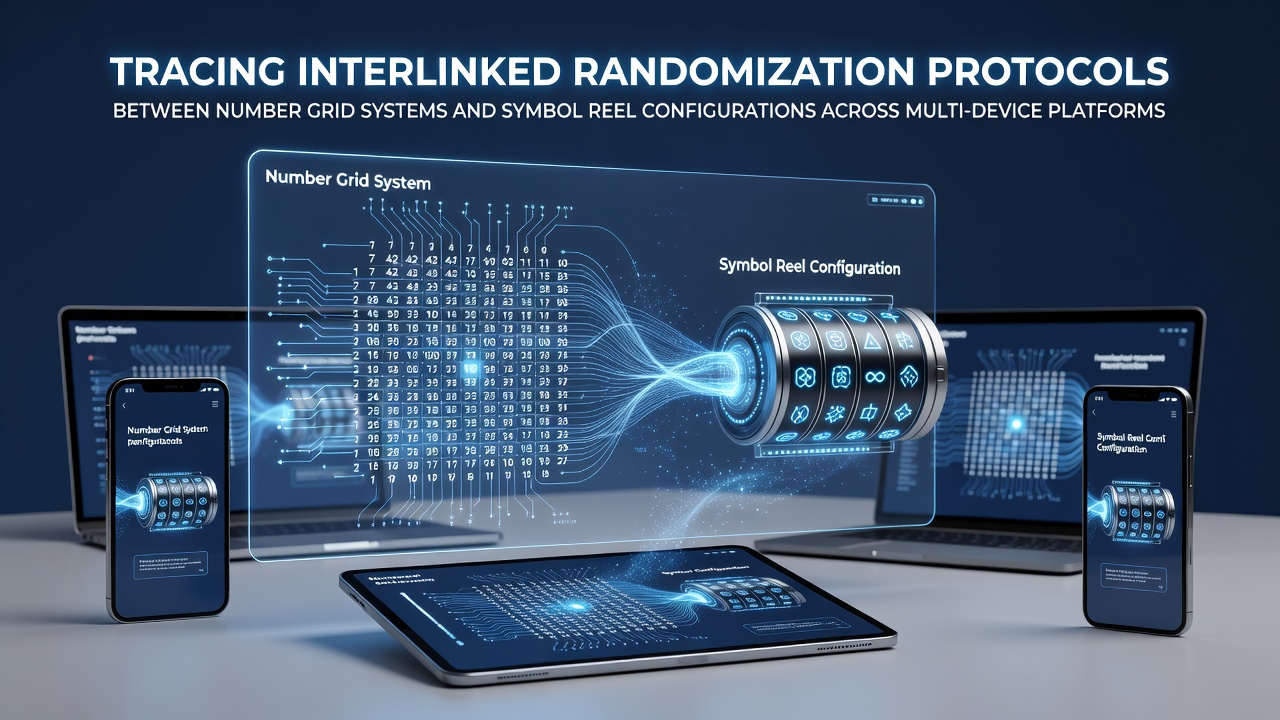
Tracing Interlinked Randomization Protocols Between Number Grid Systems and Symbol Reel Configurations Across Multi-Device Platforms
Randomization protocols form the backbone of fairness in digital gaming environments where number grid systems meet symbol reel configurations, and developers trace these connections carefully to maintain consistency across smartphones, tablets, and desktop platforms. Number grid systems rely on algorithms that select values from fixed ranges without repetition in many cases, while symbol reel configurations use weighted probability tables to determine outcomes on spinning displays. Observers note that when these two approaches operate within the same ecosystem, interlinked protocols synchronize seed generation and verification steps so results remain independent yet auditable on every device type.
Core Mechanics of Number Grid Systems
Number grid systems draw from pools that range from 1 to 75 or 1 to 90 depending on the variant, and each draw passes through certified pseudorandom number generators that regulators test for statistical uniformity. Data from the Nevada Gaming Control Board shows these generators undergo monthly entropy checks to confirm no predictable patterns emerge even after millions of draws. When a grid system operates on multiple devices, the protocol records the initial seed value along with a timestamp and device identifier, allowing later reconstruction of the exact sequence if an audit occurs.
Symbol Reel Configurations and Their Protocols
Symbol reel configurations assign different probabilities to each icon based on the game mathematics, and the protocol maps these weights onto virtual reels that can contain hundreds of stops. Engineers program the reels so that near-miss effects and bonus triggers follow predetermined return-to-player percentages, and every spin request pulls a fresh random value from the shared generator pool. In June 2026 several platforms reported upgrades that reduced latency between reel stops and result display on mobile networks, which improved synchronization without altering the underlying randomization logic.
Interlinking the Two Approaches
Interlinked protocols create bridges between grid draws and reel spins when hybrid games combine both formats in a single session, and the connection occurs through a central verification server that hashes each outcome before it reaches the player device. This hashing step ensures that a number selected for a grid cell cannot influence the subsequent reel symbol unless the game rules explicitly allow it, and independent labs verify the separation through source code reviews. Researchers at the Alcohol and Gaming Commission of Ontario have documented cases where shared entropy sources feed both systems while maintaining separate mapping tables so statistical independence holds across thousands of test cycles.
Device handoff presents another layer because a player might start a session on a tablet and continue on a phone, and the protocol transfers the current state along with the remaining random sequence index. Multi-device frameworks use encrypted tokens that carry the last verified hash value, which prevents tampering during the switch and keeps the randomization stream continuous. When networks experience packet loss the system falls back to a local buffer that still adheres to the certified algorithm until reconnection restores full server control.
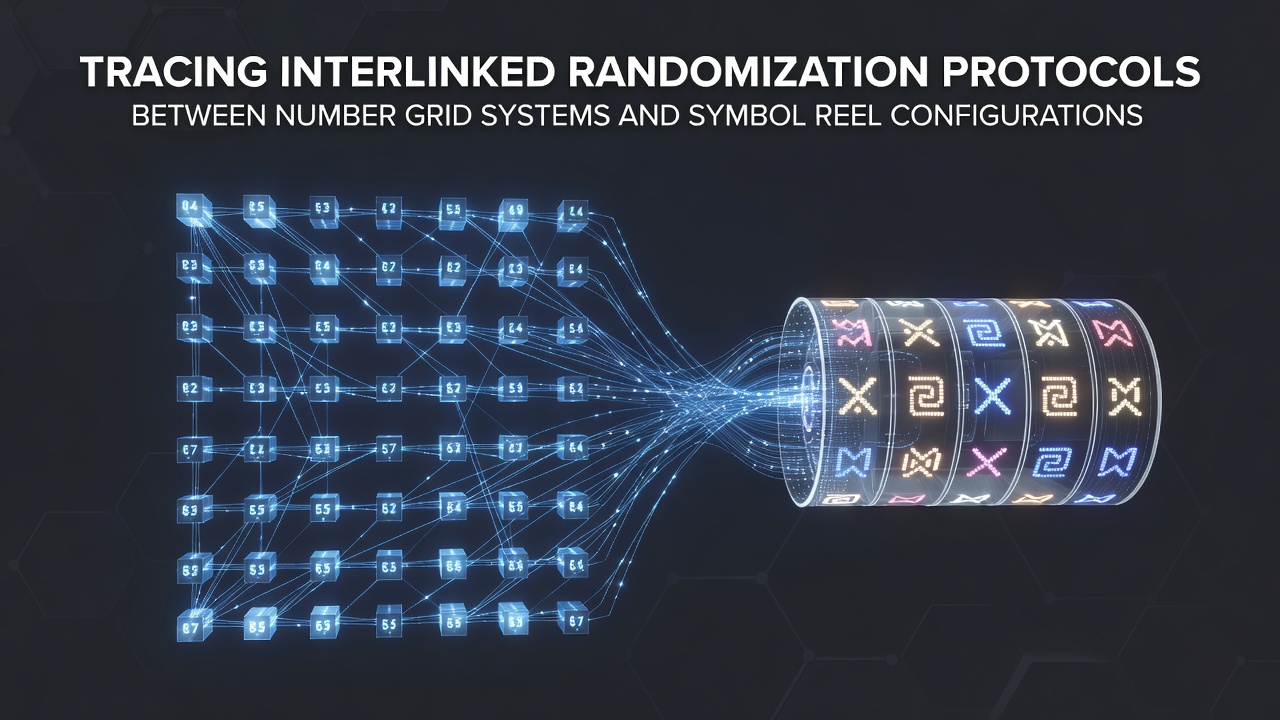
Cross-Platform Verification Practices
Verification practices include real-time monitoring dashboards that flag deviations in distribution curves, and operators receive automated alerts when any device cluster shows clustering around certain values. These dashboards aggregate data from all connected platforms so analysts can compare grid draw frequencies against reel symbol frequencies within the same time window. Because the interlinked protocols log every random call with a unique transaction identifier, tracing an anomaly back to its origin device or software version becomes straightforward during routine compliance reviews.
Software updates roll out through staged deployments that test the randomization layer on a small percentage of users first, and only after statistical parity checks pass does the update reach the full user base. This staged approach minimizes disruption while confirming that new device firmware does not introduce bias into either number selection or symbol mapping routines. Observers note that such caution has become standard as more jurisdictions require proof of equivalence between desktop and mobile outcomes before approving new titles.
Conclusion
Tracing interlinked randomization protocols reveals a layered architecture where number grid systems and symbol reel configurations share foundational entropy sources yet remain functionally separate through mapping tables and hash verification. Multi-device platforms depend on synchronized state tokens and continuous monitoring to preserve fairness across handoffs and network conditions. Regulatory data collected through 2026 continues to emphasize the importance of these traceable connections for maintaining player trust and meeting compliance standards worldwide.